Introduction: Education Is More Than a Degree
For years, students have been encouraged to focus on academic marks, examinations and degrees as the primary measures of success. While academic qualifications remain important, the modern world is changing rapidly. Employers increasingly value people who can apply their knowledge, solve problems, communicate effectively and adapt to new challenges.
Today, success is not simply about what you have studied. It is also about what you can do with what you have learned.
From digital literacy and communication to financial understanding and critical thinking, practical skills are becoming an important part of building a successful career.
For students preparing for Class 11 and 12, CUET, CA Foundation or B.Com, developing these abilities early can help create a stronger foundation for the future.
1. Why Are Skills Becoming So Important?
The world of education and employment is evolving. Technology is transforming industries, new career opportunities are emerging, and job roles increasingly require a combination of academic knowledge and practical ability.
Here are a few reasons why skills matter:
-
Practical application: Understanding a concept is valuable, but applying it to solve a real problem makes that knowledge more useful.
-
Better communication: Presenting ideas clearly helps students perform better in interviews, group discussions and professional environments.
-
Adaptability: Students who continue learning can respond more confidently to changing technologies and workplace expectations.
-
Problem-solving: Analytical thinking helps individuals evaluate information, make decisions and find solutions.
-
Career flexibility: A diverse skill set can open doors to different industries and career paths.
A degree may demonstrate what you have studied. Your skills help demonstrate how you can use that knowledge.
2. Essential Skills Every Student Should Develop
Communication Skills
The ability to express ideas clearly is valuable in almost every profession. Reading regularly, participating in discussions, writing thoughtfully and practising presentations can help students become more confident communicators.
Digital Literacy
Digital tools are now part of education, business and everyday professional life. Students should become comfortable using productivity software, online research tools, digital collaboration platforms and responsible AI tools.
Critical Thinking and Problem-Solving
Rather than memorising every answer, students should learn to ask questions, compare information, understand different perspectives and reach logical conclusions.
Financial Literacy
Understanding budgeting, saving, banking, taxation and basic financial planning can help students make more informed decisions as they move towards independence.
Time Management
Balancing examinations, assignments, extracurricular activities and personal responsibilities requires planning. Setting realistic goals and following a consistent routine can make learning more manageable.
3. How Can Students Build Skills Alongside Their Studies?
Developing practical abilities does not require abandoning academics or following an overwhelming schedule. Small, consistent actions can make a meaningful difference.
Step 1: Identify your interests. Explore subjects and activities that genuinely engage you.
Step 2: Choose one skill to develop. Start with communication, Excel, digital literacy, accounting fundamentals or another skill relevant to your goals.
Step 3: Practise through projects. Apply your learning by preparing presentations, analysing simple datasets, creating budgets or completing practical assignments.
Step 4: Build a portfolio. Keep examples of your projects, certificates and achievements organised so you can demonstrate your progress.
Step 5: Review your growth. Set monthly goals and identify what you have improved and what you need to practise next.
Consistency matters more than trying to learn everything at once.
4. Why Class 11 and 12 Are Important for Career Preparation
Classes 11 and 12 are not just stages leading to board examinations. They are also opportunities to understand your interests, explore career options and build strong academic foundations.
Students can use these years to strengthen subject knowledge, improve communication, explore digital tools and research different higher-education pathways.
Those interested in commerce may explore accounting and finance. Students considering competitive examinations can develop structured study habits, analytical reasoning and examination strategies.
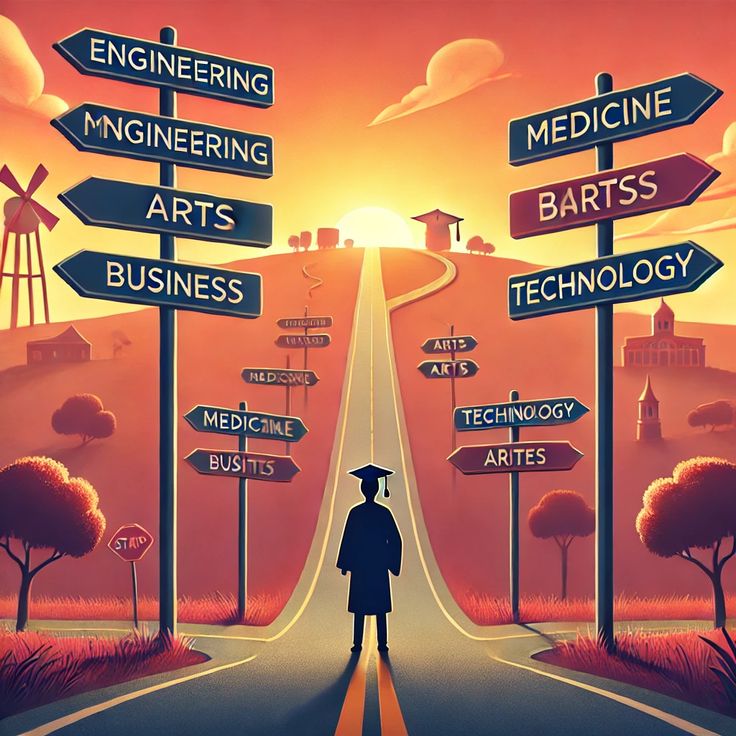
The objective is not to decide your entire future too early. It is to make better-informed decisions as your interests and strengths become clearer.
5. Combining Academic Learning with Professional Skills
Different academic pathways benefit from different combinations of practical skills.
-
CUET aspirants: Focus on subject knowledge, reasoning where relevant to the chosen examination, time management and regular mock-test practice.
-
CA Foundation students: Build conceptual clarity, numerical reasoning, accounting fundamentals and disciplined study habits.
-
B.Com students: Explore accounting software, spreadsheets, business communication, financial analysis and practical business applications.
-
Class 11 and 12 students: Strengthen foundational concepts, explore career pathways and gradually develop digital and communication skills.
These skills complement academic preparation; they do not replace the syllabus, recognised qualifications or examination requirements.
6. How to Prepare for a Future That Keeps Changing
No one can predict every future job or industry trend. However, students can prepare by developing the ability to learn, adapt and apply knowledge.
Stay curious. Explore reliable learning resources. Practise new skills through real tasks. Seek constructive feedback and keep improving.
Technology can help students learn more efficiently, but it is equally important to evaluate information carefully, protect personal data and use AI responsibly.
The strongest foundation combines subject knowledge, practical experience, ethical judgement and a willingness to keep learning.
Conclusion: Build Knowledge. Develop Skills. Create Opportunities.
A successful career is rarely built on one qualification alone. It grows through continuous learning, practical experience, informed decisions and the ability to adapt.
Whether you are studying in Class 11 or 12, preparing for CUET or CA Foundation, or pursuing a B.Com degree, start building skills that complement your education.
Your journey does not end with passing an examination. It continues with everything you learn to do afterwards.
At Ayaan Education, the goal is to help students make informed academic choices, strengthen their knowledge and explore pathways towards their future ambitions.
Explore your interests, keep learning and take your next step with confidence.
Frequently Asked Questions
1. Are skills more important than a degree?
Both are important. Degrees provide academic foundations and may be required for particular professions, while practical skills help individuals apply knowledge and perform tasks effectively.
2. Which skills should students learn after Class 12?
Useful options include communication, digital literacy, spreadsheet skills, financial literacy, problem-solving and skills relevant to the student's chosen course or career.
3. Can students develop professional skills while preparing for competitive examinations?
Yes. Students can dedicate a small, manageable amount of time to relevant skills without compromising their core examination preparation.
4. How can B.Com students improve their employability?
They can strengthen accounting knowledge, spreadsheet proficiency, business communication and financial analysis, while exploring relevant software and practical projects.
5. When should students start career planning?
Career exploration can begin during school. Students should gradually identify their interests, understand available pathways and revisit their choices as they gain knowledge and experience.